
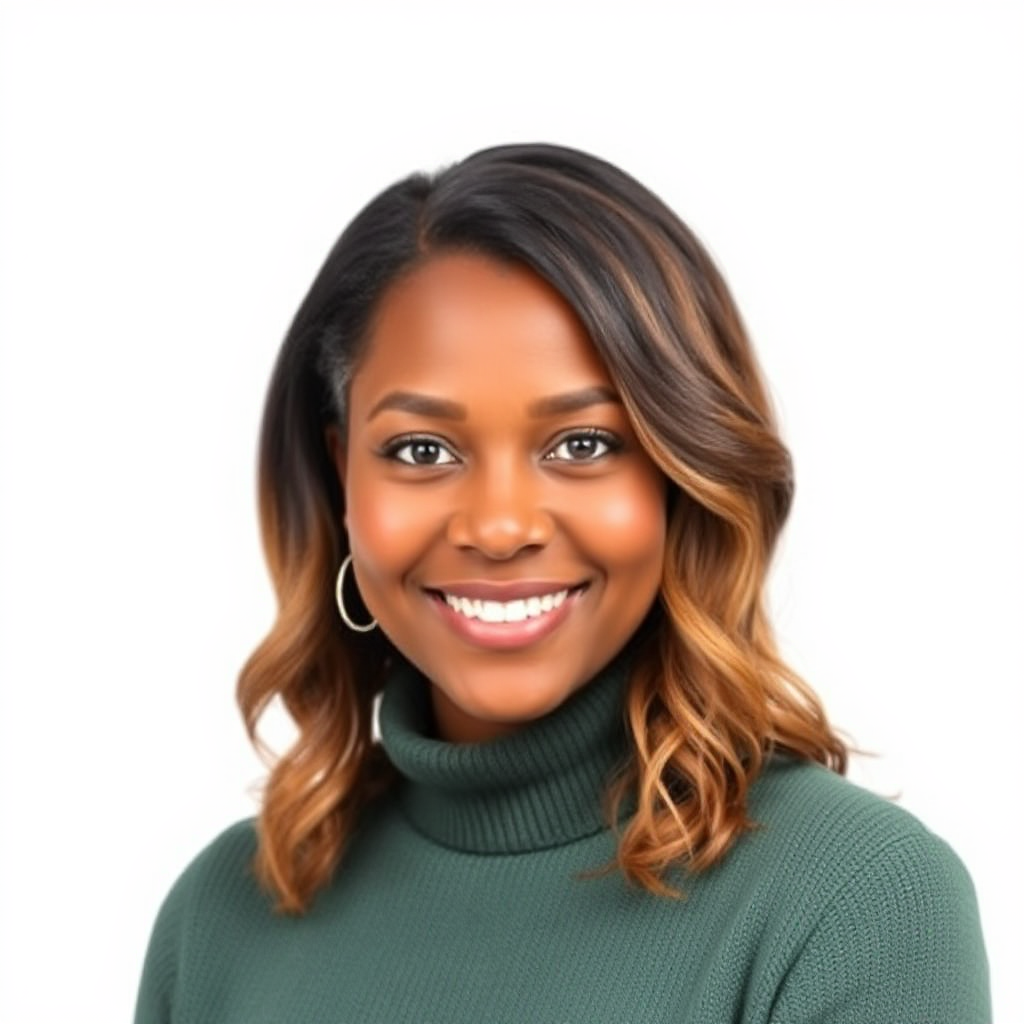
Rachel Sennott joins the video call and at once begins an excuse. “Apologies for the delay!” she exclaims, sounding truly remorseful. She is only slightly late, she needs to clarify. “I tend to talk too much during calls. “Previous discussions went over, and I realized I talk too much!” Fortunately, for a writer, this is just what you want to encounter. Moreover, it’s fairly expected. Those who know the fearlessly LGBTQ+ and unapologetically crass film Bottoms—that she co-wrote with her creative partner and appeared in alongside collaborator The Bear’s standout—can be aware that she has a lot to share, ranging from on roles, sex, or the merits of starting a teen brawl society. Plus, after watching her new multi-episode program I Love LA, viewers realize that the star holds even more insights regarding the challenges of modern youth (At 30, she is a relatable figure for this generation, on the cusp with a knack for connecting different age groups).
Influences and Artistic Direction
The comparisons to the iconic series Girls can’t be avoided and Sennott readily acknowledges a fan, citing the show alongside the HBO hit, Insecure and Atlanta as inspirations for the project, which follows the struggles of online personality Tallulah and close companion and aspiring talent manager Sennott’s character. Perhaps, the largest presence on creative vision belonged to the popular sitcom, that HBO sitcom focusing on an up-and-coming celebrity navigating in a corrupt entertainment industry (memorable line: “nobody’s happy in this town except for the losers”). Sennott began viewing it throughout the pandemic, became “captivated”, and resolved to create a new version on it “for the girls and the gays”.
“I sought to highlight online platforms as the new industry, since my professional journey launched there,” she says. The idea for I Love LA emerged—to some extent—from her own, initially fractious, transition to Los Angeles and from her saturn return, a popular occurrence for followers. That period marked a phase that saw her grasp major life lessons, professionally and personally. “In my early 20s I was so messy, crying in public everywhere, all the time,” she admits. “Settling in LA during my mid-twenties brought calm, but soon everything unraveled.” “The struggles felt almost mythic in scale…”
Starting Out
Growing up in New England, the star started developing and showcasing comedy while studying performance at NYU’s Tisch. “Despite trying every conventional route, I couldn’t find my footing,” she states. “Every campus humor group turned me down after tryouts.” I tried out for all the NYU plays and didn’t make it into any of them. “I wondered why I was even there at all.”
She seized control, taking the stage at amateur nights with Edebiri and sharing uproarious (and distinctly) bizarre skits on the internet. A particular video, Baby Cult, centered on characters fetishistically drawn to pregnancy; another portrayed working at the preppy clothing store Hollister as similar to being trapped in a thriller. By chance, she met Emma through NYU’s movie community and ultimately appearing in her initial project, Shiva Baby, an anxious film set at a religious event with echoes of the intense thriller. A recurring idea of her path, she says, has been contemporaries supporting her, as opposed to traditional networks. So the old guard wasn’t helpful? “Definitely not them”, she confirms, stating with a laugh: “They prefer we don’t succeed.”
Career Breakthrough
Those who questioned about Sennott earlier will likely be feeling foolish today. In what she calls a “incredibly circular” story, she has achieved her dream vehicle. Previously she uploaded a clip titled “it’s LA” on the internet, in which she lampooned movie previews (“Substance abuse is rampant here”). Six years on, she’s the co-showrunner (with Emma Barrie) of a comedy about LA residents juggling benefits of digital stardom (such as partying at a famous actor’s house) with drawbacks (your associate being suspected of being a drug-addled thief, and perhaps becoming a unreliable pariah). Some could easy to create a show about digital influence that was extremely glamorous—or, even less favorable, one that punched down at the characters. This show steers clear of each, resulting in a portrait of advantaged millennial life that’s candid about the chaos and the glamour.
Balanced Perspective
“Numerous series present younger generations and digital culture in a derogatory manner,” she says. “I think that young people have been through a lot – I’m mostly thinking of people younger than me, like my little sister, who went to college during Covid, so she had to come home, or my other sister who was doing school online.”|“The younger generation has faced significant
